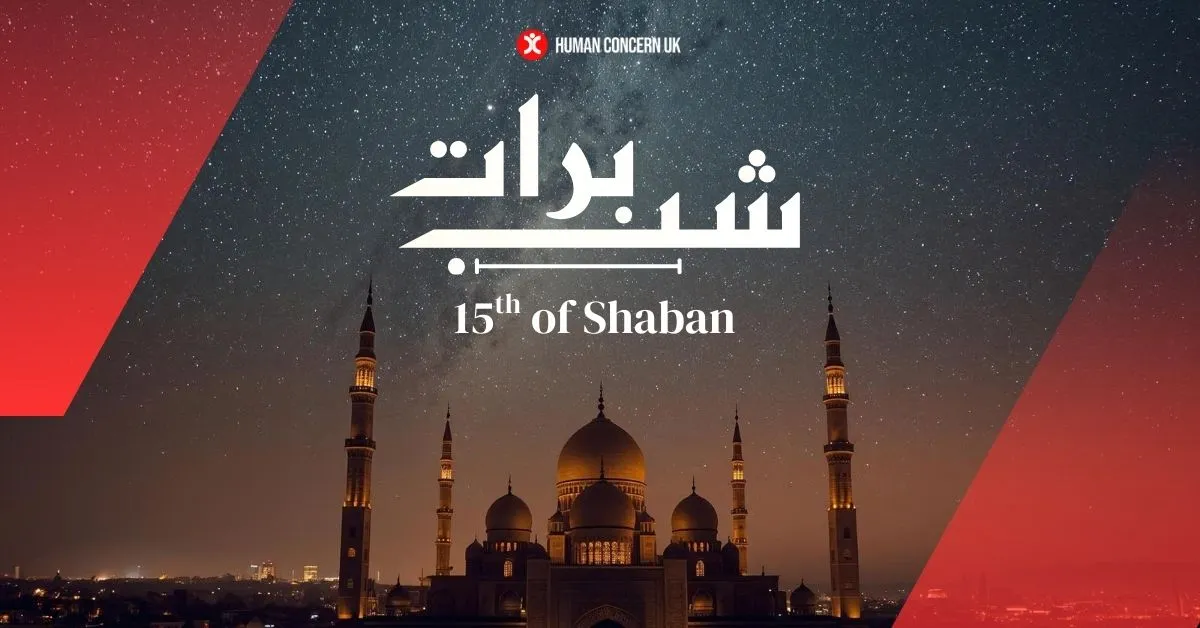
Shab-e-Barat 2026: Meaning, Date, and Significance
Shab-e-Barat is a night that many Muslims observe as a moment of reflection, prayer, and seeking forgiveness. It falls midway through the Islamic month of Sha‘ban, shortly before Ramadan. Across the UK, people often look for simple and reliable information about Shab-e-Barat, what it means, when it falls, and how it is commonly observed.
This post is intended to offer a clear and balanced explanation of Shab-e-Barat, reflecting the fact that practices and understandings can vary. We aim to help you feel informed and prepared, without prescribing a single way to observe the night.
When is Shab-e-Barat 2026 in the UK?
In the UK, Shab-e-Barat 2026 is expected to fall on 1st February, subject to the sighting of the moon. As with other Islamic dates, the exact timing may vary slightly depending on local moon sighting and calendar methods.
Shab-e-Barat is observed from sunset until dawn, beginning after Maghrib on the 14th of Sha‘ban and continuing until Fajr on the 15th.
What is Shab-e-Barat?
Shab-e-Barat refers to the 15th night of Sha‘ban in the Islamic calendar. The name is often associated with forgiveness, mercy, and turning back to Allah. For many people, it is a quiet night focused on personal reflection rather than public observance.
Those who observe Shab-e-Barat often use the time to reflect on the past, seek forgiveness, and make heartfelt supplications. It is commonly seen as a spiritual pause, a chance to reset intentions before the arrival of Ramadan.
At the same time, it is understood differently across Muslim communities, and not everyone observes it in the same way.
Why Shab-e-Barat Matters to Muslims
For many Muslims, Shab-e-Barat is a time to slow down and reflect on their actions, intentions, and relationships. It is often associated with seeking forgiveness, both from Allah and from others, and letting go of burdens carried throughout the year.
The night also holds emotional meaning for some families, particularly those who remember loved ones who have passed away. This sense of remembrance adds depth to the reflective nature of the night.
How Shab-e-Barat is Commonly Observed
There is no single or fixed way to observe Shab-e-Barat. However, many people choose to spend the night in simple acts such as:
Offering additional voluntary (Nafl) prayers
Making a lot of duas
Spending time in quiet reflection
Seeking forgiveness and renewing intentions
Giving charity or helping those in need
Sending salutations upon the Prophet (SAW)
These practices are often carried out privately and calmly, without formal gatherings.
Shab-e-Barat and Preparing for Ramadan
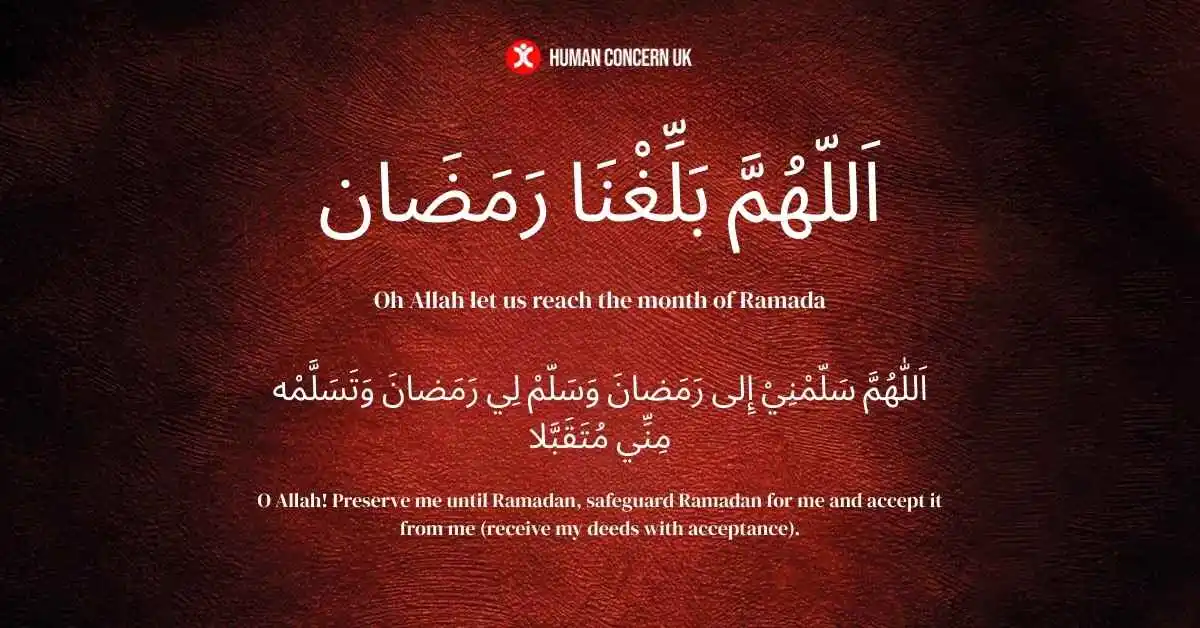
As Shab-e-Barat comes shortly before Ramadan, many people view it as a natural moment for spiritual preparation. This may include reflecting on habits, setting intentions, and thinking about how to approach fasting and worship in the coming weeks.
For those living in the UK, where daily life can be fast-paced, this pause before Ramadan can feel especially meaningful.
Looking Ahead to Ramadan 2026
As Shab-e-Barat falls just before Ramadan 2026, many people use this time to begin preparing for the month ahead. This may include planning fasting routines, learning about prayer times, and thinking about how to approach Ramadan with intention and balance. You can explore our Ramadan 2026 resources to find UK-specific timetables and guidance to help you prepare.
Acts of Kindness and Giving
Acts of kindness are central to Islamic values, and some people choose Shab-e-Barat as a time to help others. This may involve giving charity, supporting vulnerable families, or offering help within the local community.
Some people choose to fast on the day following Shab-e-Barat, while others do not. Practices vary, and many follow local guidance or personal understanding.
2. Is Shab-e-Barat mentioned in the Qur’an?
Shab-e-Barat is not mentioned by name in the Qur’an. Views on its observance differ, which is why practices vary across communities.
3. Is Shab-e-Barat observed the same way everywhere?
No. Observance can differ by country, culture, and individual preference. Many people focus on prayer and reflection in a personal way.
Final Thoughts
Shab-e-Barat is a meaningful night for many Muslims in the UK, offering a moment of reflection before Ramadan begins. While interpretations and practices vary, the shared themes of forgiveness, humility, and preparation resonate widely.
Individuals are encouraged to follow practices that align with their understanding and local guidance.