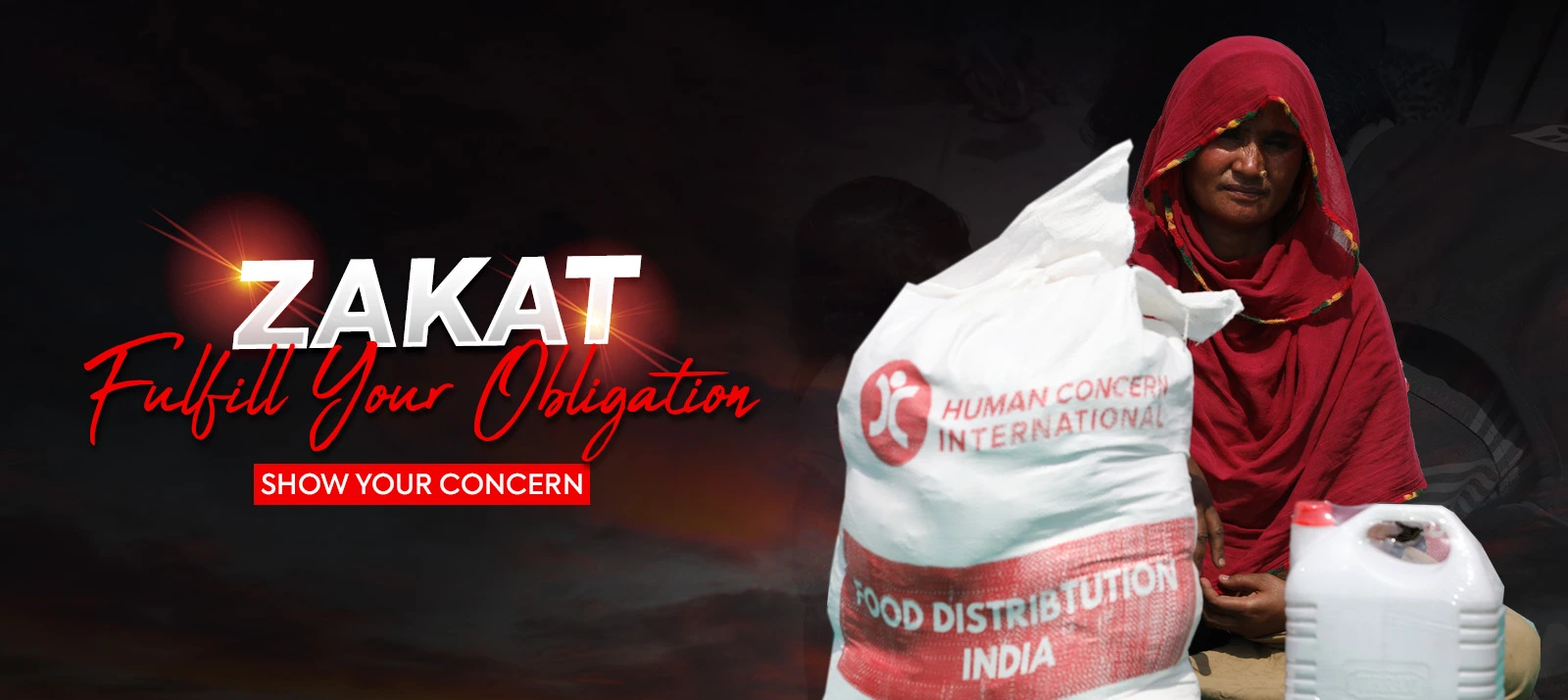
As you prepare for iftar this Ramadan, take a moment to reflect.
While many of us sit down to warm meals and clean water, millions of families are facing hunger, illness, and uncertainty.
For many families, unrelieved hunger is not a choice. It is a daily reality.
Zakat is not optional kindness. It is a divine obligation. A right Allah (swt) has placed within the wealth entrusted to those who have been given more. Through Zakat, Allah purifies our wealth and restores balance in society, ensuring the most vulnerable are not forgotten.
This Ramadan, hardship is deeper. Hunger is louder.
Parents skip meals so their children can eat. Patients delay treatment.
Families are forced to make impossible choices between food, medicine, and shelter.
Your Zakat can change that.
We distribute Zakat with care, accountability, and Islamic integrity:
Ramadan is not only a time of generosity; it is a time of accountability.
It is the month when hearts soften, intentions are purified, and good deeds are multiplied. Allah says about Laylat al-Qadr:
“Laylat al-Qadr is better than a thousand months.”
(Qur’an 97:3)
But for families in need, Ramadan is often the hardest month of the year.
Ramadan will pass. But the impact of your Zakat will remain.
The Messenger of Allah ﷺ said:
“Wealth is not diminished by charity.” (Sahih Muslim)
👉Fulfil your obligation. Help restore dignity and stability this Ramadan.
Read our Zakat policy here
Zakat is obligatory upon every adult Muslim who possesses wealth above the Nisab threshold for one full lunar year (hawl).
You are required to give Zakat if:
Zakat is not an optional charity, it is a pillar of Islam and a right Allah (swt) has placed in your wealth.
Zakat is generally calculated at 2.5% of your total Zakat-eligible wealth that has been held for one lunar year.
This typically includes:
👉 To make this simple and accurate, use our Zakat Calculator here
Nisab is the minimum amount of wealth a Muslim must possess before Zakat becomes obligatory.
It is based on the value of:
87.48 grams of gold, or
612.36 grams of silver
Most scholars recommend using the silver value today, as it sets a lower threshold and allows more people in need to benefit from Zakat.
If your Zakat-eligible wealth equals or exceeds the current Nisab value and has been held for one lunar year, Zakat becomes due.

The recommended time for giving Zakat is typically during the Islamic lunar month of Ramadan, although it can be given at any time of the year. Many Muslims choose to pay their Zakat during Ramadan, especially during the last 10 nights.
The different categories of people eligible to receive Zakat, as mentioned in Islamic teachings, include the following:
Give a little extra