

This post is written for Muslims in the UK who want to observe Ramadan in a way that supports both spiritual focus and physical wellbeing. Whether you are balancing work, school runs, or family responsibilities, approaching suhoor and iftar through the lens of Sunnah and simple nutrition can help you fast with greater ease, clarity, and consistency throughout the month.
Ramadan is not just about staying away from food and drink. For us, it is a month of balance, intention, and care for both the soul and the body. Fasting is an act of worship, but how we eat at suhoor and iftar can quietly shape our energy, focus, and overall wellbeing throughout the day.
Many of us feel it every Ramadan. Some days feel smooth and steady. Other days come with headaches, thirst, or that heavy feeling after iftar. The good news is that Islam already guides us towards moderation and balance. When we combine Sunnah practices with simple nutritional wisdom, healthy fasting becomes far more achievable.
This guide is written to help us approach Ramadan 2026 with confidence, clarity, and compassion, for ourselves and for those we support through our giving.
Fasting in Islam is deeply spiritual, but it is not meant to harm us. Allah makes this clear in the Qur’an:
“Allah intends ease for you, not hardship, so that you may complete the prescribed period and proclaim the greatness of Allah for guiding you, and perhaps you will be grateful.”
Surah Al-Baqarah (2:185)
When we fast in a healthy way, we preserve our energy for worship, maintain patience with family, and stay focused at work or school. Ramadan 2026 is expected to fall around mid-February, meaning shorter fasting hours in the UK, but colder weather that can still affect hydration and appetite.
Healthy fasting during Ramadan can help reduce tiredness, dehydration while fasting, bloating after iftar, and even constipation. These are not minor concerns. They affect how present we feel during prayer, Qur’an recitation, and nightly Taraweeh.
Before discussing food choices, we remind ourselves that the Sunnah already provides a strong and balanced framework.
The Prophet ﷺ said:
“The people will continue to prosper as long as they hasten the breaking of the fast.”
Sahih Muslim (1098a)
Anas ibn Malik narrated that the Messenger of Allah ﷺ would break his fast with fresh dates before praying. If fresh dates were not available, he would use dried dates, and if those were not available, he would take a few sips of water.
Suhoor also holds great value. The Prophet ﷺ said:
“Take suhoor, for indeed there is blessing in it.”
Sahih al-Bukhari
Delaying suhoor closer to Fajr and not skipping it entirely is part of the Sunnah. These practices support digestion, hydration, and energy levels without the need for complex or restrictive diet plans.
Suhoor sets the tone for the entire fasting day. A rushed cup of tea or a sugary snack often leads to early hunger and increased thirst.
When we plan suhoor properly, we tend to feel fuller for longer and more balanced throughout the day.
A healthy suhoor usually includes:
These foods digest slowly and help prevent energy crashes. This is why suhoor foods that keep you full are often simple rather than heavy or salty.
Salty foods, very spicy meals, and excessive caffeine can increase thirst later in the day. Coffee or strong tea at suhoor may feel comforting, but for many people it contributes to dehydration while fasting.
Gradually reducing caffeine, rather than stopping suddenly, can help minimise headaches during fasting.
After a long day of fasting, feeling hungry is natural. However, how we begin iftar matters more than how much we eat.
The Sunnah encourages us to start light, then eat calmly and mindfully.
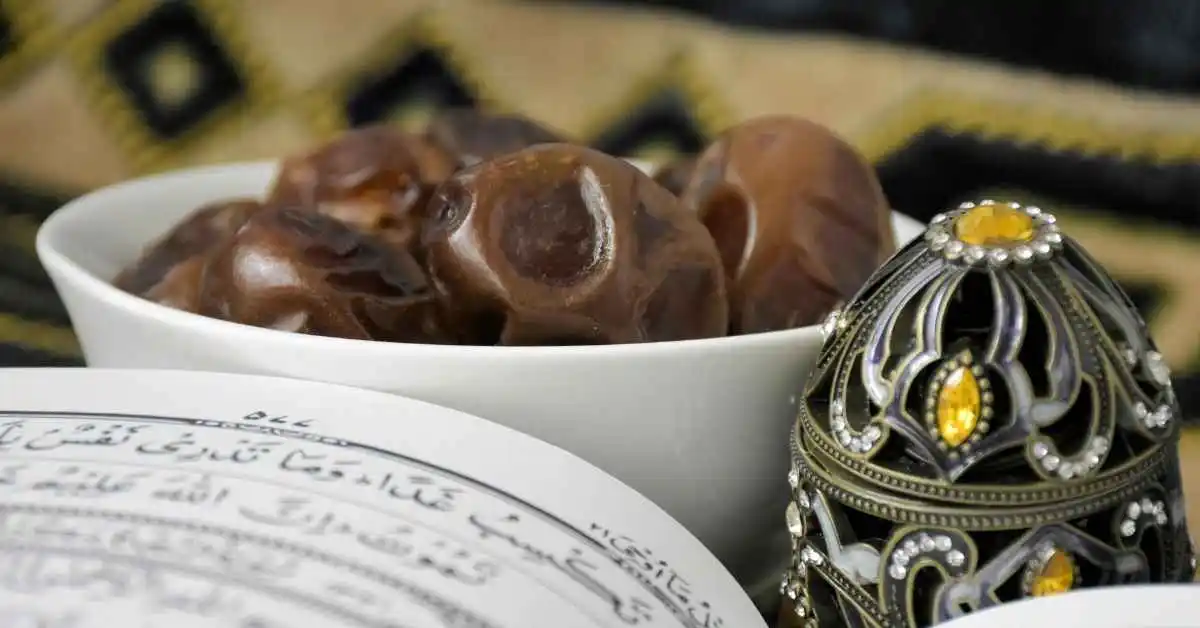
Breaking the fast with dates and water follows the practice of the Prophet ﷺ and helps raise blood sugar gently before the main meal.
Many of us find it helpful to pray Maghrib after dates and water, then return for a proper meal. This pause allows digestion to begin and reduces the likelihood of bloating after iftar.
Healthy iftar choices often include:
Fried and very heavy foods are best enjoyed in moderation. Eating slowly and stopping before feeling overly full supports both physical health and spiritual focus.
Staying hydrated during Ramadan is one of the most common concerns we hear.
Health guidance often suggests aiming for around six to eight glasses of fluids per day, though individual needs vary. During Ramadan, this intake should be spread between Maghrib and Fajr.
Spacing fluids across the evening, rather than drinking large amounts at once, is usually more effective. Water, soups, milk, fruits, and vegetables all contribute to hydration.
Reducing very salty snacks in the evening can also help prevent excessive thirst the following day.
Tired while fasting during Ramadan: This is often linked to skipping suhoor or relying on sugary foods. A balanced suhoor can make a significant difference.
Headaches during fasting: Gradually reducing caffeine and maintaining hydration can help.
Constipation during Ramadan: Fibre-rich foods, fruits, vegetables, and adequate fluids are essential.
Bloating after iftar: Starting light, eating slowly, and avoiding immediate overeating after Maghrib can reduce discomfort.
If fasting consistently causes someone to feel unwell, Islam allows flexibility. Health always comes first, and medical advice should be followed where needed.
A healthy suhoor includes protein, fibre, healthy fats, and fluids. This combination supports steady energy and reduces hunger and thirst during the day.
Foods high in protein and fibre, such as eggs, oats, yoghurt, whole grains, and fruits, digest slowly and help you feel satisfied for longer.
The Prophet ﷺ broke his fast with dates. If dates were not available, he would drink water before eating anything else.
There is no fixed number. Even one or two dates are sufficient to follow the Sunnah.
Start with dates and water, pray Maghrib, then eat slowly and attentively.
As we focus on healthy fasting, we are reminded that many families struggle to break their fast with even basic food. Our suhoor and iftar tables are blessings that should soften our hearts.
Ramadan is a time when feeding others carries immense reward. The Prophet ﷺ said:
“Whoever gives food to a fasting person to break their fast will have a reward like theirs, without that detracting from their reward in the slightest.”
Sunan Ibn Majah (1746)
As we prepare our own suhoor and iftar, let us also make space for generosity.
Donate this Ramadan. Help us feed those who are fasting. Share the blessing.
Give a little extra